
 1 month ago
20
Sex can be a beautiful connection with others or a way to express yourself. It can be romantic, thrilling, and even funny...but sometimes, sex is downright weird. And it's been around forever.
So let's embrace the weird side of sex and reproductive health by exploring some of the most bizarre sex facts from throughout human history. Are you ready to learn something new and slightly awkward?
1. Behold, the olisbokollikes, or "bread dildo." (Yep, we're diving right in.)

grafvision / Getty Images
That may not be what they actually looked like, but you get the idea. In ancient Greece, women (and probably some men) used breadsticks baked with especially dense flour to, well, pleasure themselves. The lube? Olive oil, of course!

Images say more about me than words. / Getty Images
2. In ancient Greece, rhaphanidosis was a painful and humiliating punishment that adulterers may have faced. The injured party would typically be allowed to publicly humiliate the adulterer by having his anal hair stripped with hot ash, and a radish was forcefully inserted into the adulterer's anus as the core punishment.

3. In the 19th century, vibrators were considered treatments for female "hysteria." This led to the invention of electromechanical vibrators — not for sexual therapy, but to treat aches and pains. Before long, they became commercially available, and by the early 20th century, American households could buy them in catalogs.

Boyrcr420 / Getty Images
4. In Sparta, males were raised in military barracks and rarely spent time around women until marriage. In order to make the bride less intimidating to her husband, her hair would be shaved, and she'd be dressed in men's clothing for their wedding night.

George Pachantouris / Getty Images
5. During China's Western Han dynasty (206 BCE to 9 AD), bisexuality was normalized and accepted. Most Emperors of this dynasty had both male companions and wives, but Emperor Ai was the most well-known. He famously cut off the sleeve of his robe to avoid waking his sleeping male companion, Dong Xian, a gesture that became both a fashion statement and an iconic testament to Emperor Ai's love for the man.

PEDRE / Getty Images
6. Ancient Romans loved the shape of the penis so much that the phallus became a symbol of protection against the Evil Eye. Phallic imagery has been found painted on pottery and carved onto buildings, even at Pompeii.

Simone Crespiatico / Getty Images
7. The first-ever cock ring was made from dried goat eyelids sewn together, with lashes still attached for extra vaginal stimulation.

8. Kabuto-gata were a type of condom made from turtle shell and popular among wealthy men in the 17th-century Edo period.

Witthaya Prasongsin / Getty Images
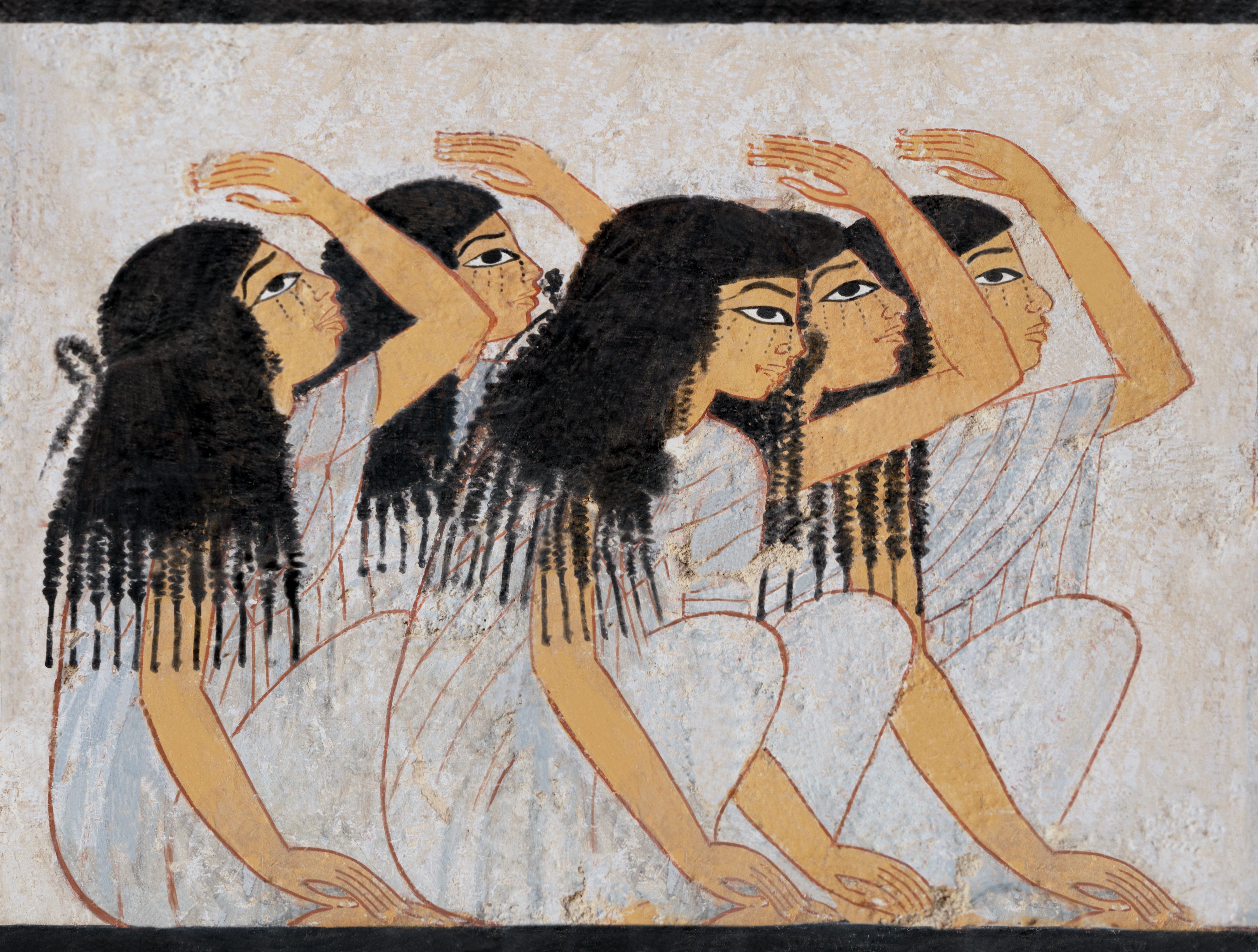
9. The Kahun Papyrus of Egypt, which was written around 1850 BCE, contains a recipe for a spermicide containing sodium carbonate and honey, though another prescription used a much less pleasant ingredient in their birth control: crocodile droppings.
Ibrahim Hamroush / Getty Images
10. In ancient Greece, pederasty, or sexual relationships between an older man and a younger (usually adolescent) boy, was both common and accepted.

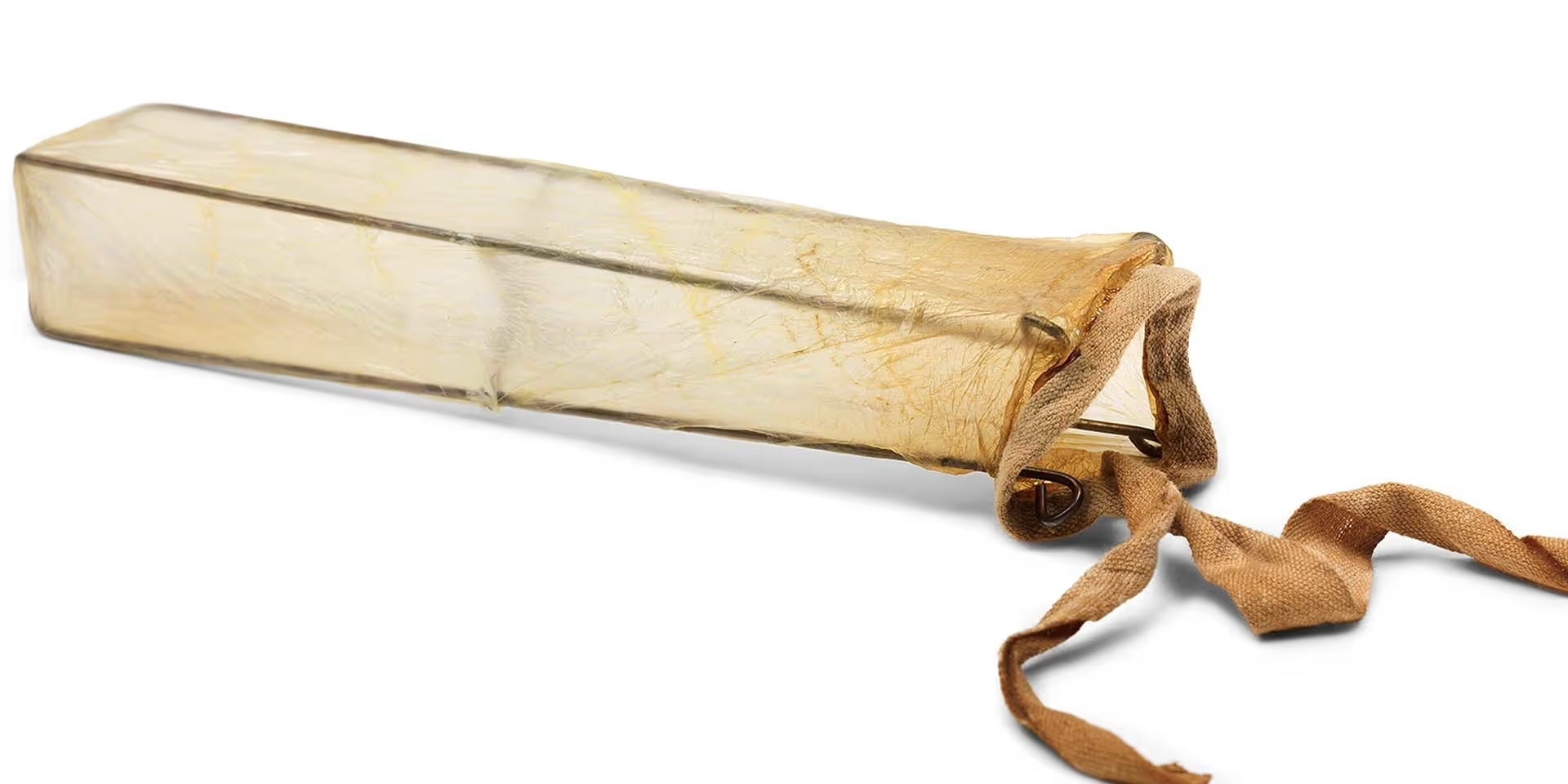
11. The first condoms were meant to be reused. While no one knows for sure who initially created the condom, which were once made from animal skin or intestines, historians have confirmed that they were popular during the syphilis epidemic in around 16th-century Europe.
Fine Art Images/Heritage Images / Getty Images / Via history.com
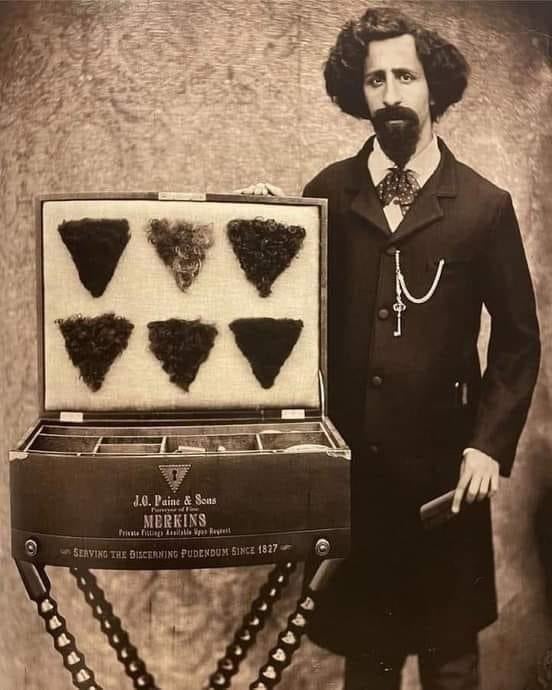
12. In case you haven't heard of a Merkin before, it's not just the name of Gene's favorite teacher on Bob's Burgers. It's also a wig for pubic hair, whose origins date back to around 1450 according to The Oxford Companion to the Body. They allegedly hid the symptoms of syphilis on the vulva, which was a game-changer for sex workers of the time.

Here's the real thing, in case you're as curious as I was:
13. Greeks and Romans used a versatile plant called silphium as an early form of contraception. In fact, it was so widely used that it became extinct during the reign of Roman Emperor Nero, who allegedly took the very last dose in existence.

mikroman6 / Getty Images
It also had a heart-shaped seed pod.

JLGutierrez / Getty Images
14. Finally, in Taoism, sexual energy is considered a core life force. However, ejaculation means ridding the body of some of that life force, so Taoist men would avoid ejaculation. Instead, the goal of sex is to balance the masculine and feminine energies within oneself and with one's partner.

Westend61 / Getty Images




 English (US)
